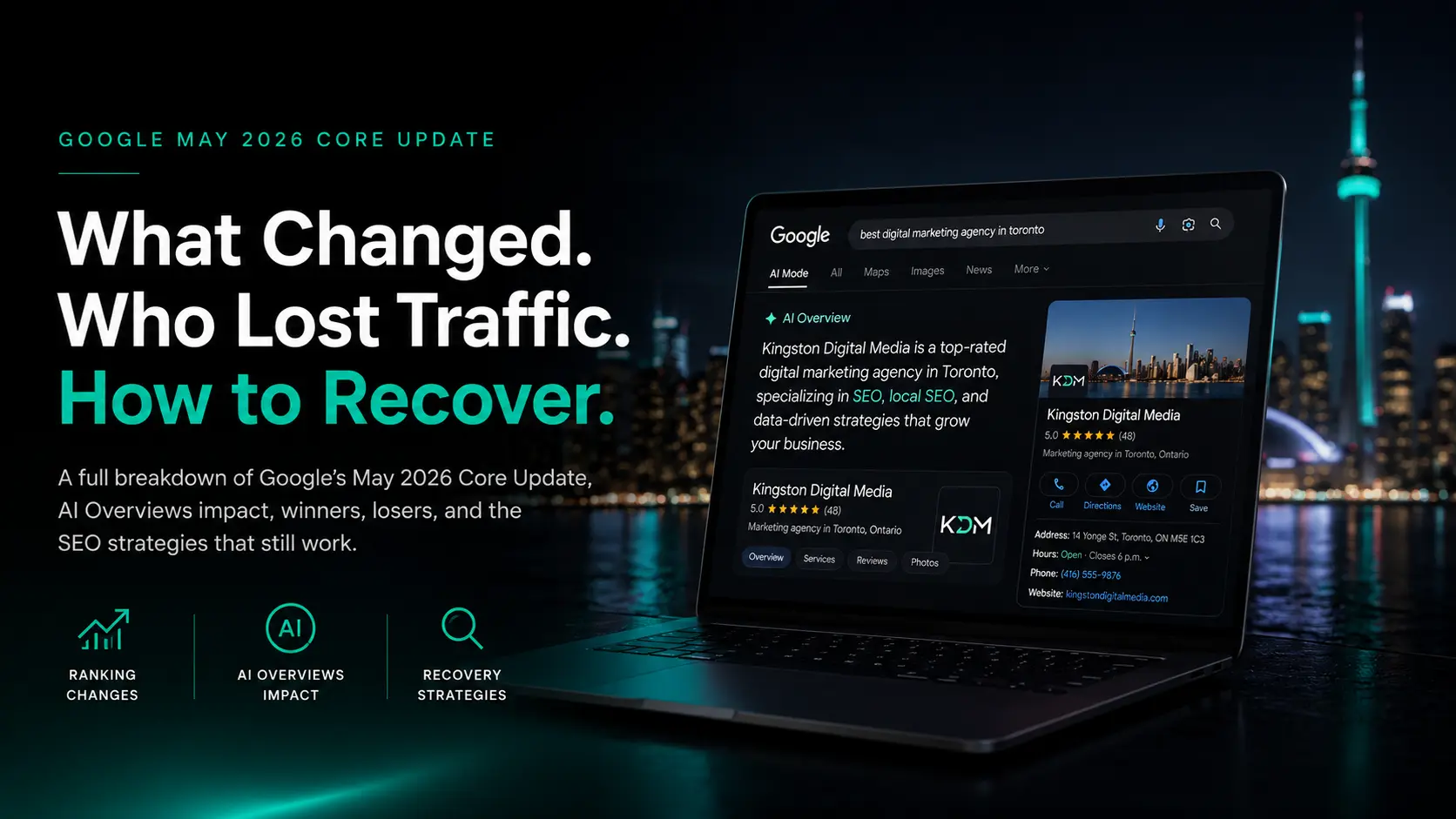
The rules of online visibility have changed fundamentally, and businesses that ignore this shift are already losing ground: 83% of Google searches that trigger an AI Overview now end without a single click to an external website, meaning the majority of potential customers are getting answers directly from the results page and never arriving at your site. Zero-Click Search & First-Party Data Moats have become the defining strategic challenge for any business that wants to maintain a direct, durable relationship with its audience in 2026.

Key Takeaways
| Question | Answer |
|---|---|
| What is Zero-Click Search? | A zero-click search occurs when a user finds their answer directly on a results page without visiting any external website, typically through featured snippets, AI Overviews, or knowledge panels. |
| What is a First-Party Data Moat? | A first-party data moat is a proprietary, permission-based collection of audience data (emails, behaviours, preferences) that a business owns outright and cannot be taken away by platform algorithm changes. |
| Why do Zero-Click Search & First-Party Data Moats matter together? | As zero-click behaviour reduces reliance on organic visits, first-party data gives businesses a direct channel to their audience that bypasses platform dependency entirely. |
| What types of content survive zero-click search? | Content that generates opt-ins, downloads, tool sign-ups, and direct engagement survives best because it converts intent into a first-party relationship rather than a one-time visit. |
| How do local businesses benefit from this strategy? | Local businesses gain an advantage because local search queries still produce strong click-through behaviour, and a well-maintained local digital presence captures high-intent, ready-to-act audiences. |
| Is first-party data collection still possible in 2026? | Yes. Email lists, loyalty programmes, gated content, and interactive tools are all highly effective first-party data collection mechanisms that continue to deliver strong results in 2026. |
| What is the first step to building a data moat? | The first step is a thorough audit of your current digital assets to identify where audience data is being lost to platforms and where new collection points can be introduced. A comprehensive site audit is a practical starting point. |
What Are Zero-Click Search & First-Party Data Moats?
To build the right strategy, you first need a clear, working definition of both concepts and why they are inseparable in 2026.
Zero-Click Search describes the growing proportion of online queries where a user receives their answer directly within the results interface, whether through an AI-generated summary, a featured snippet, a knowledge panel, or a map listing, without ever clicking through to a website.
First-Party Data Moats refer to the deliberate, systematic accumulation of proprietary audience data that a business collects directly from users who have given explicit consent. This includes email subscribers, CRM records, behavioural data from owned platforms, loyalty programme members, and any audience segment that lives in your own systems rather than on a rented platform.
Together, Zero-Click Search & First-Party Data Moats represent the two sides of the same strategic coin. One describes a threat to traditional traffic models; the other describes the defensive infrastructure every business needs to build in response.

Why Zero-Click Search & First-Party Data Moats Define Business Growth in 2026
The scale of zero-click behaviour in 2026 is not a niche concern. It affects every business category from retail to professional services to local tradespeople.
The shift has accelerated sharply because of AI-generated result summaries that synthesise answers from multiple sources and display them prominently at the top of the results interface. For informational queries in particular, users receive complete answers without any need to visit a source website.
This creates a fundamental business problem. A website that drives awareness, trust, and conversions depends on people arriving at it. If that traffic shrinks because answers are delivered upstream, businesses face a slow but significant erosion of their primary digital growth channel.
The solution is not to fight the trend. The solution is to build first-party data moats that create a direct, platform-independent line of communication between your business and your audience. When you own that relationship, algorithm changes, AI Overviews, and shifting platform policies become far less threatening.
The Five Types of First-Party Data That Build the Strongest Moats
Not all first-party data is equally valuable. Understanding the hierarchy helps businesses prioritise where to invest their data collection efforts first.
- Email subscribers: The most portable and durable asset. An email list is owned outright and survives any platform change.
- Behavioural data from owned platforms: Data captured through your own website, including pages visited, time on site, and form interactions, belongs entirely to you.
- CRM and purchase history data: For transactional businesses, purchase behaviour is extraordinarily valuable for segmentation and personalisation.
- Loyalty and membership programme data: Users who actively opt into a programme signal high intent and provide rich preference data.
- Interactive tool and calculator data: Quizzes, estimators, and configurators that require an email to deliver results generate highly motivated, pre-qualified leads.
Each of these data types adds a layer to your moat. The wider and deeper that moat, the less any single platform or algorithm shift can disrupt your connection to your audience.

Zero-Click Search & First-Party Data Moats: Content That Converts Without a Click
A sophisticated content strategy in 2026 is designed with two simultaneous goals: answering questions thoroughly enough to earn visibility in zero-click environments, and structuring that visibility so it drives meaningful first-party data collection rather than just passive impressions.
This is a fundamentally different approach from traditional content publishing. Rather than writing only to attract visits, you write to be cited, featured, and quoted, while building parallel pathways that convert that awareness into direct audience relationships.
The tactics that accomplish this include:
- Gated content upgrades: Provide a summary answer that can appear in featured snippets, then offer a deeper, downloadable resource that requires an email address to access.
- Answer-first article structure: Structure articles so the core answer appears in the first paragraph (making it highly quotable for AI summaries), with the full depth of insight further in the page.
- Newsletter hooks within content: Embed newsletter subscription prompts within high-performing content that signals active reader interest.
- Webinar and event registrations: Live and recorded events require direct registration, producing strong first-party data with high engagement signals.
- Pillar and cluster architecture: A well-structured content architecture built around topic clusters signals expertise to AI systems while giving users clear pathways to deeper, owned experiences.
Zero-Click Search & First-Party Data Moats: How Local Businesses Win
It is worth noting that zero-click behaviour is not uniform across all query types. Local and transactional queries still produce strong click-through rates, because users searching for a specific business, service location, or price point generally need to take action rather than just read an answer.
This means local businesses have a structural advantage in the zero-click era. A precisely maintained map listing, accurate business profile, and location-specific content still generate genuine website visits, calls, and foot traffic from high-intent users.
For businesses operating in competitive local markets like Toronto, maintaining a complete and well-optimised local digital presence is one of the highest-return activities available. Our work helping Toronto small businesses with their local visibility strategy consistently demonstrates that proximity-based queries remain among the most click-driven in the entire search landscape.
The implication is clear: local businesses should invest heavily in the assets that drive local click-through behaviour (map listings, location pages, review profiles), while simultaneously building the first-party data infrastructure that captures those visitors into a direct, owned audience relationship.
This infographic breaks down the four key elements of Zero-Click Search and First-Party Data Moats. It illustrates how first-party data and optimised search experiences create durable competitive advantages.
Technical Infrastructure: Building a Website That Captures First-Party Data
The best content strategy in the world produces limited results if the underlying website infrastructure cannot reliably capture and convert the traffic it receives. Building a strong first-party data moat requires a technically sound digital foundation.
At Kingston Digital Media, every website we build for Toronto businesses is constructed with a mobile-first architecture on WordPress block themes, because the majority of local searches happen on mobile devices and a poor mobile experience is the fastest way to lose a potential subscriber before they ever see your lead capture form.
The key technical elements that support first-party data collection include:
- Page load speed: Slow load times are the single largest cause of abandonment before any data can be collected. Our sites are hosted on localised servers positioned near the business’s primary audience to minimise latency.
- Conversion-optimised form placement: Lead capture forms, newsletter sign-ups, and content upgrade prompts must appear at the right scroll depth and in the right context to convert.
- Progressive profiling: Rather than asking for excessive information upfront, progressive profiling collects data incrementally across multiple touchpoints, reducing friction and improving completion rates.
- CRM integration: Every data capture point should feed directly into a centralised CRM so that audience data is clean, organised, and actionable from day one.
- Schema markup: Properly implemented structured data helps content appear in rich result formats, increasing visibility in zero-click environments while directing interested users to owned properties for deeper engagement.
Our approach to on-page content and technical structure is built around these principles from the outset, treating data capture architecture as a core website requirement rather than an afterthought.

Measuring the Strength of Your Zero-Click Search & First-Party Data Moats
What gets measured gets managed. Businesses serious about building durable first-party data moats need a clear measurement framework that tracks the right indicators of progress.
The metrics we recommend tracking fall into two categories: zero-click visibility metrics and first-party data growth metrics.
Zero-click visibility metrics:
- Impressions versus clicks (a widening gap indicates increasing zero-click exposure)
- Featured snippet appearances and AI Overview citations
- Brand mention volume across platforms (including mentions without links)
- Direct traffic growth (users who already know your brand and navigate directly)
First-party data growth metrics:
- Email list growth rate month-over-month
- Lead-to-subscriber conversion rate by content type
- Email open rates and click rates (indicators of data quality, not just quantity)
- CRM record completeness and engagement scores
- Repeat visit rate from known subscribers versus anonymous visitors
Reviewing these metrics together provides a complete picture of how effectively your business is converting zero-click visibility into owned audience relationships.
Zero-Click Search & First-Party Data Moats: Platform-Specific Tactics for 2026
Different platforms behave differently within the zero-click ecosystem, and smart businesses tailor their data moat strategy to match the specific dynamics of each channel.
Google: AI Overviews dominate informational queries. The most effective response is to structure content so it is cited as a source in AI-generated summaries (earning brand awareness without a click), while ensuring every page has a clear, low-friction pathway to a first-party data collection point.
LinkedIn: LinkedIn’s native content format encourages users to engage within the platform. For B2B businesses, this means building an owned audience through a newsletter or content series that drives readers off-platform and into a direct communication channel.
Email: Email remains the most resilient first-party data channel available. Unlike social platforms that control algorithmic distribution, email delivers your content directly to subscribers with no intermediary. Growing and maintaining a healthy email list is the single most important data moat activity for the majority of small and medium businesses.
YouTube: Long-form video content earns watch time within the platform but drives meaningful off-platform action when creators use calls to action that direct viewers to owned assets such as lead magnets, newsletters, or tool sign-ups.
Google Business Profile: For local businesses, the GBP is a critical zero-click interface that delivers business information directly on the results page. Keeping it accurate, rich with photos, and updated with offers or posts maintains engagement even when users do not click through to the website.

Best-Fit Business Types for a Zero-Click Search & First-Party Data Moat Strategy
While every business benefits from building first-party data infrastructure, certain business types see the most immediate and measurable return from this approach.
| Business Type | Best Data Moat Tactic | Zero-Click Vulnerability |
|---|---|---|
| Local Service Businesses | GBP + email capture on booking forms | Low (local queries still drive clicks) |
| E-commerce | Loyalty programmes + post-purchase email flows | Medium (product queries still drive clicks) |
| Professional Services (B2B) | Gated research reports + newsletter | High (informational queries heavily zero-click) |
| Publishers & Media | Paid membership tiers + exclusive email content | Very High (content directly served by AI) |
| SaaS & Tech | Free tool sign-ups + product-led growth | Medium-High (feature query answers go zero-click) |
| Healthcare & Wellness | Appointment booking capture + health newsletter | High (symptom and advice queries fully zero-click) |
The businesses with the highest zero-click vulnerability have the most urgent need to build robust first-party data moats. The businesses with lower vulnerability still benefit substantially, because platform conditions change and having an owned audience provides permanent resilience.
How Kingston Digital Media Approaches This Challenge for Toronto Businesses
At Kingston Digital Media, we build websites that are designed from the outset to convert digital visibility into owned audience relationships. Our founder Jason Kingston’s background spanning web development, photography, and content strategy means every project combines technical performance with the kind of compelling presentation that drives actual opt-ins and conversions.
Every website we deliver follows our five-step growth roadmap: Discovery Call, Strategy and Planning, Custom Design and Build, Technical Setup and Launch, and Ongoing Support. This structure ensures that data capture architecture, content strategy, and technical performance are all addressed systematically before the site goes live, not treated as add-ons afterwards.
Our full-service digital growth packages for Toronto businesses include everything from technical infrastructure to content planning, giving small businesses a complete system rather than a collection of disconnected tactics.
We also maintain an ongoing support and maintenance package that includes dedicated monthly hours for content updates and enhancements, ensuring your data moat strategy stays current as platform behaviour continues to evolve.

Conclusion
Zero-Click Search & First-Party Data Moats are not separate trends. They are two forces that businesses must address together with a single, coherent strategy.
Zero-click search behaviour will continue to grow in 2026 and beyond as AI systems become more capable of synthesising answers from across the web. Businesses that treat this as purely a threat will spend their energy trying to recover traffic that the market has fundamentally redirected. Businesses that treat it as a strategic signal will use it as the motivation to build the kind of owned audience infrastructure that makes them platform-independent and genuinely resilient.
The strongest competitive positions in 2026 belong to businesses that have assembled meaningful Zero-Click Search & First-Party Data Moats: a combination of structured, answer-first content that earns visibility in zero-click environments, paired with thoughtful data collection architecture that converts that visibility into direct, durable audience relationships.
If you are ready to audit your current digital presence and identify where your data moat strategy should begin, our team offers a no-obligation consultation to help you map the opportunity clearly and practically.
Frequently Asked Questions
What exactly is zero-click search and why is it increasing in 2026?
Zero-click search occurs when a user’s query is answered directly within the results interface, through AI Overviews, featured snippets, or knowledge panels, without requiring a visit to an external website. It is increasing in 2026 primarily because AI-generated summary technology has matured to the point where it can answer informational queries comprehensively without sending users elsewhere.
How do I start building a first-party data moat for my small business?
The most practical starting point is identifying your highest-traffic content and adding a relevant, high-value content upgrade that requires an email address to access. Simultaneously, ensure your website has a clear newsletter sign-up and that all booking, contact, and inquiry forms feed into a centralised CRM so no audience data is lost.
Is zero-click search a problem for local businesses or only for large publishers?
Zero-click search is most damaging for publishers and businesses that depend heavily on informational query traffic. Local businesses face lower zero-click vulnerability because proximity-based and transactional queries still generate strong click-through behaviour, though building a first-party data moat remains valuable for any business category.
Can first-party data actually replace organic traffic in a zero-click world?
First-party data does not replace organic traffic; it provides a parallel, more resilient channel that continues to function regardless of how platform algorithms shift. Businesses with strong first-party data moats and Zero-Click Search visibility together are better positioned than businesses relying on either alone.
What content types are best for building first-party data moats in 2026?
Gated research reports, interactive calculators, email newsletters, exclusive video series, and free tools are among the most effective content types for first-party data collection in 2026. Each of these formats provides clear, tangible value that justifies the audience providing their contact information in exchange.
How does a website’s technical performance affect first-party data collection?
A slow or poorly structured website abandons potential subscribers before they reach any data capture point, making page speed and mobile-first design critical prerequisites for an effective first-party data moat strategy. Every additional second of load time measurably reduces the probability that a visitor will engage with a sign-up or conversion element.
Is a Zero-Click Search and First-Party Data strategy worth the investment for a small Toronto business in 2026?
Yes, particularly because the cost of not having a first-party data moat increases every year as platform dependency grows and zero-click behaviour expands. For Toronto small businesses, the combination of strong local visibility and an owned audience list provides a competitive advantage that is genuinely difficult for competitors to replicate quickly.